


If you want to know how to stop condensation on windows, first check where the water is. Moisture on the room-facing glass usually calls for controlling indoor humidity and keeping the surface warmer. Fog trapped between panes needs a different response.
Start by drying the glass and sill, reducing moisture from everyday activities and checking humidity. A dehumidifier can help with persistent indoor moisture; it cannot repair a failed window seal.
This is a research-based guide, not a hands-on product test. EPA guidance, window-manufacturer advice and product specifications were checked October 11, 2026. Affiliate purchases may earn Decively a commission.
How to stop condensation on windows: find the wet surface
Inside: Water you can wipe from the room side forms when humid air meets sufficiently cold glass. Bedrooms often show it overnight. Cooking, showers and drying laundry indoors can add moisture.
Outside: Morning dew on the exterior can occur on efficient windows and does not automatically mean a defect. Confirm which side is wet before buying equipment.
Between panes: Persistent fog inside a sealed double-glazed unit may indicate seal failure. Ask a window professional to inspect it. Neither a room dehumidifier nor wiping the glass fixes that sealed space.
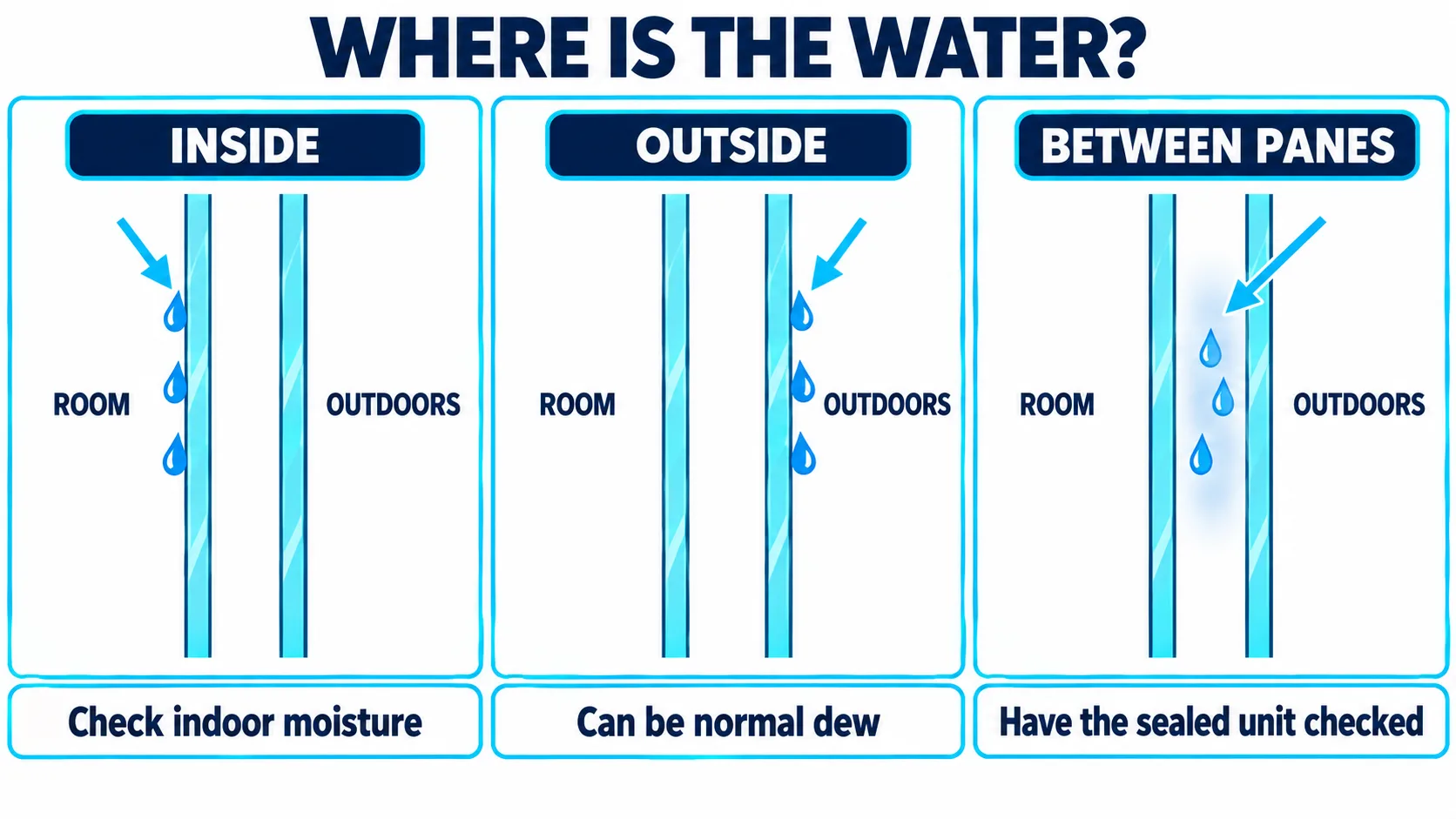
Concept diagram: room side is left, outdoors is right. It shows the moisture location, not a diagnosis of your window.
Reduce indoor moisture before buying anything
Use bathroom and kitchen exhaust fans that vent outdoors. Check that your dryer exhaust also reaches outdoors. If a humidifier is running, lower its setting when windows become wet. Avoid adding unnecessary moisture while you investigate.
Keep warm room air able to reach the glass: move obstructions and avoid leaving heavy curtains tightly closed against wet windows. Wipe up water instead of allowing it to pool on wood, paint or nearby fabric.
Ventilation helps when incoming air is drier. Opening windows during warm, humid weather can add moisture instead. A brief improvement after airing out is useful evidence, but it does not establish the cause of every damp patch.
Learning how to stop condensation on windows also means separating water from drafts. If you feel air leaking around the frame, our guide to stopping cold air through windows explains suitable seals. Sealing gaps does not replace moisture control.
What humidity level should you aim for?
EPA recommends keeping relative humidity below 60%, ideally around 30–50% when possible. Treat that as general moisture guidance, not a guarantee of dry windows. Very cold glass can still collect condensation at otherwise reasonable indoor humidity.
Measure in the room rather than directly against the cold pane. Note readings morning and evening and after showers or cooking. Look for a pattern across several days; a single number cannot explain the building.
For anyone researching how to stop condensation on windows in winter, compare the humidity trend with the weather. If water persists despite moderate readings, the glass temperature, ventilation or window condition may need attention.
What to buy to stop condensation on windows
Govee H5075: check whether humidity is actually high
This small thermometer and hygrometer has an LCD and Bluetooth history in the Govee app. The manufacturer claims ±3% RH accuracy. Use it to spot trends, allowing for measurement uncertainty; it is not a precision building survey.
It is a practical first purchase when you have no humidity reading. Bluetooth is not Wi-Fi, so do not expect remote access from anywhere. It measures the problem without reducing moisture.
OXO Multi-Use Squeegee: remove water already on the glass
The 10-inch silicone blade and non-slip handle suit accessible smooth glass. Catch runoff with a cloth and dry the sill afterward. Check that the blade fits smaller panes and avoid dragging grit across the surface.
Buy it for recurring wipe-downs. It clears visible water efficiently but does not prevent the next condensation cycle. You may already own a suitable squeegee.
Midea 22-pint dehumidifier: tackle persistent excess humidity
The US MAD22C1AWS is rated to remove 22 pints per day under specified test conditions. Actual collection varies with room temperature and humidity. It uses a collection tank or gravity drainage; a drain hose is a separate purchase.
Consider it when readings stay high after reducing moisture sources. Check noise, floor space, operating temperature and drainage before ordering. The US listing is for 115-volt use; buy a compatible local version in Europe.
Capacity is not a promise of daily collection in your room. For a larger or wetter space, use our dehumidifier sizing guide before choosing.
AVAILABLE ON AMAZON · AFFILIATE LINKS
Choose the tool for your moisture problem
Buy for the problem you have identified. Check the exact model, mains voltage, seller and return terms. International redirects may show a different local product.
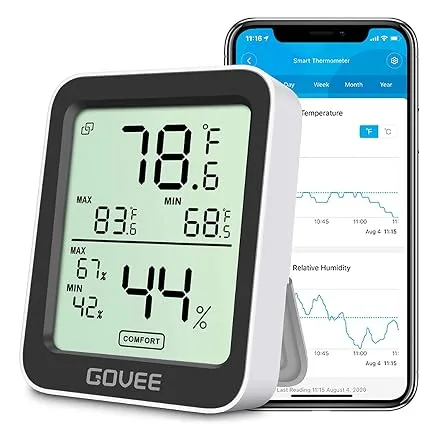
Govee H5075 — measure humidity
Check options on Amazon →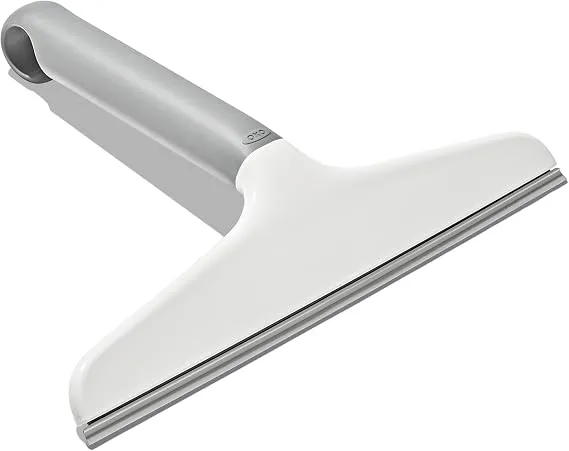
OXO squeegee — remove surface water
Check options on Amazon →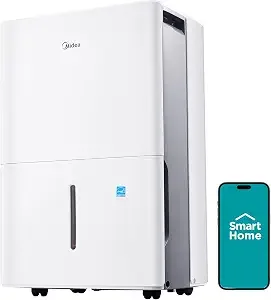
Midea 22-pint — reduce excess moisture
Check options on Amazon →As an Amazon Associate, Decively earns from qualifying purchases, at no additional cost to you.
How to stop condensation on windows without buying the wrong fix

Illustration, not a product test. The 45% reading is an example; it is not a universal condensation-free target.
A squeegee removes water, a hygrometer helps you understand it, and a dehumidifier removes moisture from the air. You rarely need all three immediately. Start with what your observations support.
Running costs matter. For illustration, an appliance drawing a steady 250 watts for four hours uses 1 kWh. Multiply by your electricity rate; real consumption changes as the compressor cycles. Empty the tank or arrange drainage, and maintain the filter as instructed.
When wet windows need professional attention
Ask for repair advice when fog stays between panes, water follows rain rather than indoor activity, frames are deteriorating or dampness keeps returning despite moisture control. Renters should document the pattern and report it to the landlord.
The practical answer to how to stop condensation on windows is to locate the water, measure the room and address the cause. Buy a monitoring tool first if you are unsure, a drying tool for surface water, or suitable moisture removal for persistent high humidity.
AVAILABLE ON AMAZON · AFFILIATE LINKS
Check the exact product before buying
Buy for the problem you have identified. Check the exact model, mains voltage, seller and return terms. International redirects may show a different local product.
Govee H5075 — measure humidity
Check options on Amazon → OXO squeegee — remove surface water
Check options on Amazon → Midea 22-pint — reduce excess moisture
Check options on Amazon →As an Amazon Associate, Decively earns from qualifying purchases, at no additional cost to you.